Blog · 22 November 2026
Blue Badges and getting into town over Christmas
Christmas shopping, carol concerts and family visits all mean more trips into town. If you travel by car with a powerchair, parking close to where you are going can make the difference between an easy day and an exhausting one. A Blue Badge is the main scheme that helps.
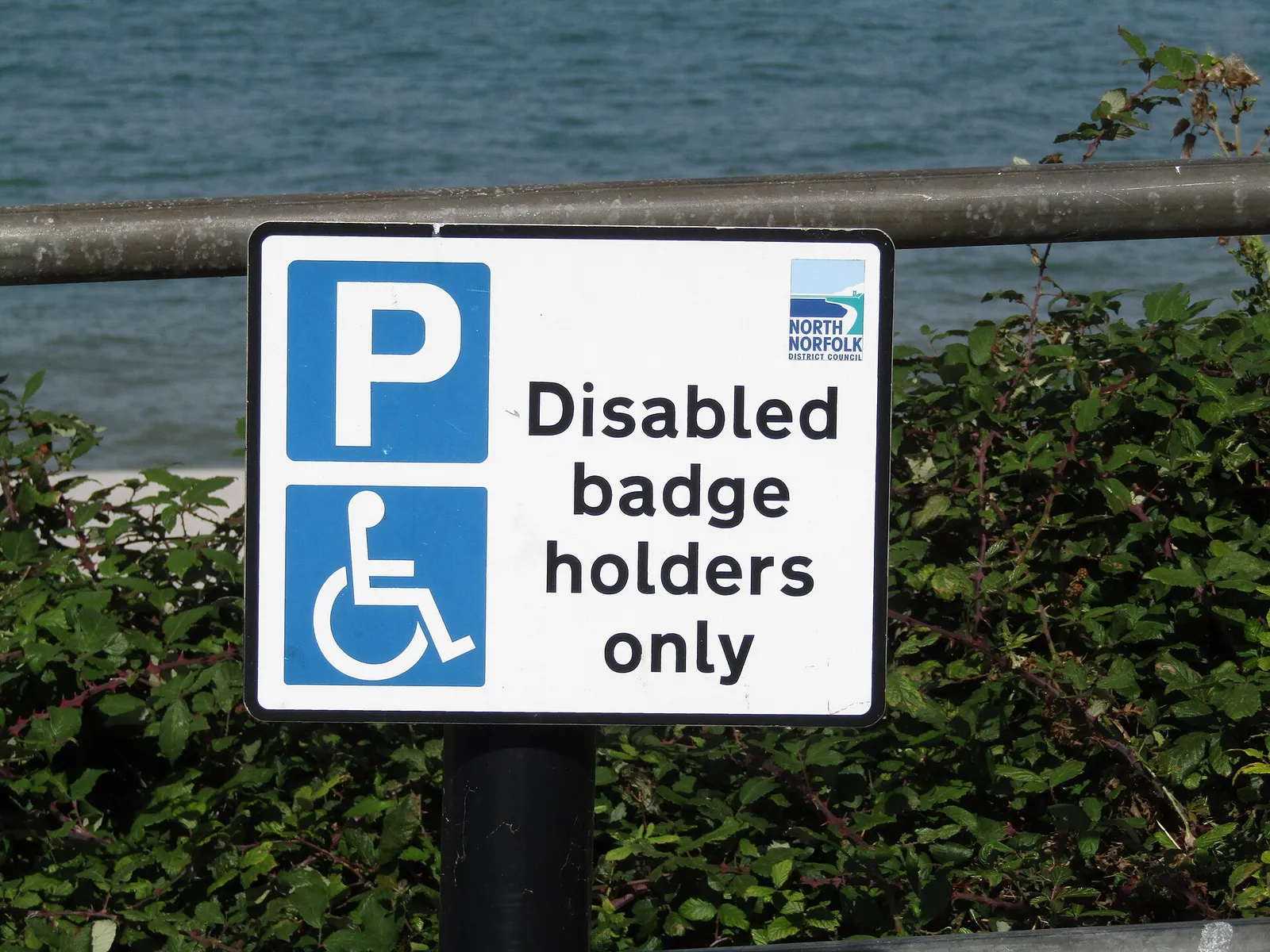
Applications can take a while, so if you think you might qualify, now is a good time to check. This post summarises GOV.UK guidance as of 22 November 2026 – your local council makes the decision.
Who qualifies automatically
GOV.UK says you automatically qualify (if you are 3 or over) if, among other things, you get:
- the higher rate of the mobility component of Disability Living Allowance (DLA)
- Personal Independence Payment (PIP) because you can't walk more than 50 metres (8 points or more under "moving around")
- PIP with 10 points under "planning and following journeys" (descriptor E)
- War Pensioners' Mobility Supplement, or certain Armed Forces Compensation Scheme payments
- or you are registered blind (severely sight impaired)
Official source: GOV.UK: can I get a Blue Badge? (opens in a new tab)
Who may qualify
If you do not qualify automatically, your council decides. GOV.UK lists situations including:
- you cannot walk, or can only walk with help from someone else or with mobility aids
- walking is very difficult because of pain, breathlessness or the time it takes
- walking is dangerous to your health or safety
- you have a life-limiting illness (with an SR1 form)
- you have a severe disability in both arms, drive regularly and cannot use pay-and-display machines
- you struggle to plan or follow journeys, or become extremely anxious in public places
Cost, how long it lasts and how to apply
According to GOV.UK, a Blue Badge costs up to £10 in England, up to £20 in Scotland and is free in Wales. Badges usually last up to 3 years, and you must reapply before your current one expires. Northern Ireland has its own process.
You apply online through GOV.UK. Have ready a recent digital head-and-shoulders photo, proof of identity and address, proof of any benefits, and your National Insurance number if you have one. GOV.UK says your council will usually decide within 12 weeks – so an application made now may not arrive before Christmas, but it will help for the rest of the winter.
Official source: GOV.UK: apply for or renew a Blue Badge (opens in a new tab)
Parking and your powerchair
The Highway Code (rule 45) applies to powered wheelchairs and mobility scooters too: follow the normal parking rules, and don't leave your chair where it gets in the way of pedestrians – especially other wheelchair users. It says Blue Badge parking concessions apply to vehicles displaying a valid badge.
In busy shopping streets, the Highway Code also asks powered wheelchair users to keep to 4 mph (6 km/h) on pavements, slow down where it is crowded, and give pedestrians priority. Our guide to class 2 and class 3 rules explains the speed limits in full.
Official source: The Highway Code, rules 36 to 46 (opens in a new tab)
ShopMobility: hiring a chair in town
If you travel without your own chair – or a family member visiting for Christmas needs one – look up a local ShopMobility centre. ShopMobility UK says its members hire mobility scooters, powerchairs and wheelchairs, and it has a "find your nearest" directory. Opening hours, booking and charges vary, so contact the centre before you set off.
If someone needs a wheelchair for a week or more rather than a few hours, our post on short-term wheelchair hire covers the British Red Cross and NHS loans.
Official source: ShopMobility UK (opens in a new tab)
Before you set off
These XSTO models are listed as suited to travel:
Self-balancing powerchair
XSTO M4
A compact, self-levelling powerchair that folds down for the car boot.
- Maximum load
- 115 kg user plus luggage
- Weight
- 51.5 kg without battery
- Quoted range
- 15 km
- Top speed
- 6 km/h about 3.7 mph
Good for:
- At home
- Travel
- Tight spaces
- Outdoors
Self-balancing powerchair
XSTO M4 Pro
The self-balancing M4 idea, with more range, more support and powered seat tilt.
- Maximum load
- 150 kg user plus luggage
- Weight
- 60.1 kg without battery
- Quoted range
- 26 km
- Top speed
- 6 km/h about 3.7 mph
Good for:
- At home
- Travel
- Outdoors
- Tight spaces
Lightweight folding powerchair
XSTO EzGo2
An ultra-light carbon-fibre power wheelchair for indoor use and easy lifting.
- Maximum load
- 136 kg user plus luggage
- Weight
- 11.5 kg without its 2.2 kg battery
- Quoted range
- 15 km
- Top speed
- 4.5 km/h about 2.8 mph
Good for:
- At home
- Travel
- Tight spaces
No UK seller listing found (September 2026)
- Check the battery is fully charged and that you know roughly how far you are going – our compare page lists XSTO's quoted range for each model.
- Plan step-free routes and dropped kerbs: the Highway Code says to use dropped kerbs where you can, even if it means going further.
- If your chair travels in the car, check how it folds or splits – our travelling guide covers cars, trains and planes.
- Take the Blue Badge with you and display it as the rules for your area say.
Sources we checked
Checked 22 November 2026. Links open the original page in a new tab.
Related reading
- Cinema, panto and concerts this Christmas: the CEA Card, the Access Card and wheelchair spacesGoing out to a film, a pantomime or a gig in a powerchair? How the CEA Card and the Access Card work, what…
- Short-term wheelchair hire: the British Red Cross, Shopmobility and the NHSNeed a wheelchair for a few weeks or a day out? How British Red Cross hire, Shopmobility and NHS short-term…
- PIP and Adult Disability Payment: help with the cost of getting aroundHow the mobility part of PIP (or Adult Disability Payment in Scotland) works, the weekly rates, who can…
- Changing Places toilets: what they are and how to find one on a day outA standard accessible toilet isn't enough for many powerchair users. What a Changing Places toilet has…