Guide · Updated September 2026
How to choose a power wheelchair
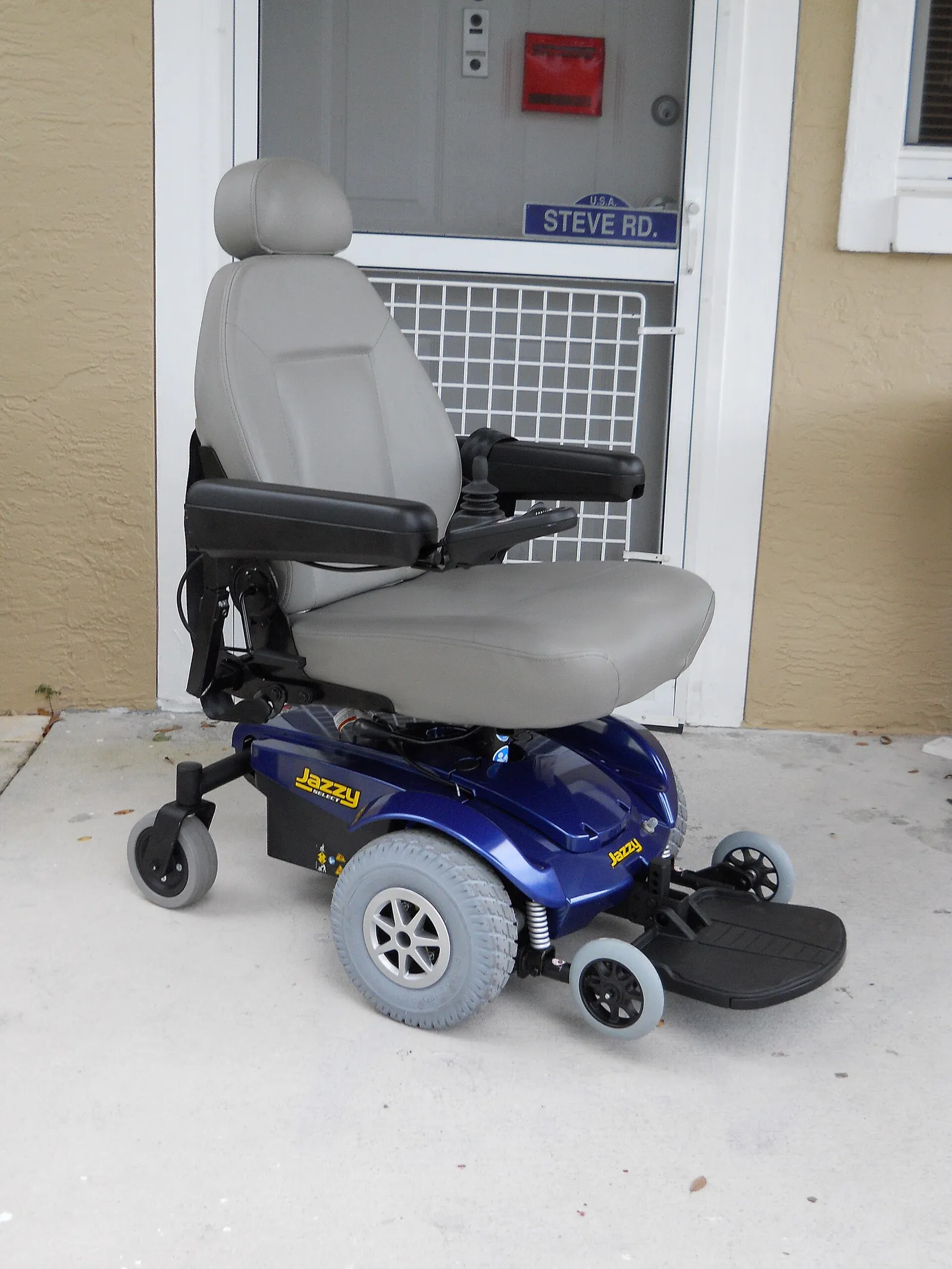
A powered wheelchair is a big decision and a big purchase. The right chair can open up the day; the wrong one can sit in the hallway because it will not fit the car, the bathroom door or the way you need to sit. This guide walks through the questions worth answering before you spend any money.
It is general information, not medical advice. If you can, get an assessment from an occupational therapist or your local NHS wheelchair service before you buy - they can look at your posture, strength, vision and daily routine in a way no shop or website can.
Start with an assessment
In England the NHS says you should ask a GP, physiotherapist, occupational therapist or hospital staff to refer you to your local wheelchair service, and some areas let you refer yourself. The service helps decide whether you need a wheelchair and what type. Scotland, Wales and Northern Ireland run their own services - see our NHS guide.
Even if you plan to buy privately, an assessment gives you measurements and a clear list of needs to take to a dealer. Driving Mobility, a national charity, coordinates a network of accredited assessment centres and runs a training scheme for powerchair and scooter retailers.
Official sources: NHS: how to get a wheelchair (opens in a new tab)Driving Mobility (opens in a new tab)
Where will you use it?
Walk (or wheel) through a normal day and note every doorway, turn, ramp, kerb and surface. Indoor chairs need to turn in tight spaces; outdoor chairs need to cope with slopes, kerbs and uneven paths. Manufacturers publish a maximum slope, obstacle height and turning radius - compare these with your real routes rather than with other chairs.
If stairs are part of daily life, a stair-climbing chair, a wheelchair stair climber or a stairlift may be options. Each has different space and safety requirements.
- Narrowest doorway and tightest corner at home
- Steepest ramp or slope you use regularly
- Highest kerb or step you would need to get over
- Surfaces: carpet, tiles, gravel, grass
- Distance of a typical day out, there and back
Official source: GOV.UK: using powered wheelchairs (opens in a new tab)
Transport and storage
A chair that folds is not necessarily a chair you can lift. Ask for the weight of the heaviest part when it is split down, the folded size, and whether the battery comes out. Take your car to a demonstration and try loading it yourself, or with the person who will do it every day.
Think about where the chair will live and be charged. You will need a dry space near a socket, and enough room to get in and out safely.
Seating and posture
If you will sit in the chair for long periods, seating matters more than speed or range. Powered seat lift can help you reach worktops and talk at eye level. Powered tilt and recline let you change position through the day. A headrest and higher backrest give more support. Cushion size and seat width should match your body, not the showroom model.
Your occupational therapist or wheelchair service can advise on pressure care and positioning - features that sound like luxuries can be clinical needs for some people.
Range, speed and batteries
Quoted ranges are manufacturer figures measured in their conditions. Hills, cold weather, heavier loads and rough ground all reduce range, so leave a margin. Check how long a full charge takes and whether a spare battery is available.
Speed also decides where you can legally drive. In the UK, anything used on pavements must not go faster than 4 mph there, and only class 3 vehicles (designed for up to 8 mph and properly equipped) can be used on the road. Read our class 2 and class 3 guide before choosing a faster chair.
Official source: GOV.UK: classes of powered wheelchair (opens in a new tab)
Try before you buy
Ask for a demonstration in the places you will actually use the chair - your home, your street, your car. A good dealer will let you try more than one model and will explain the controls, charging and what to do if something goes wrong.
For XSTO chairs, the UK distributor publishes a list of stockists around the UK and Ireland.
Official source: Find a UK XSTO stockist (opens in a new tab)
Paying for it
If you are disabled or have a long-term illness, you may be able to buy a qualifying wheelchair without VAT for your own personal use. You may also have options through the NHS, including a personal wheelchair budget in England, or through the Motability Scheme if you receive a qualifying mobility allowance. Our funding and VAT guides explain these in more detail.
Official sources: GOV.UK: VAT relief for disabled people (opens in a new tab)Motability: scooters and powered wheelchairs (opens in a new tab)
Aftercare
Ask who will service and repair the chair locally, how long repairs usually take, and whether a loan chair is available. Get the warranty terms in writing, including what is covered for the frame, the electronics and the battery, and who you contact to make a claim.
Official source: Citizens Advice: warranties and guarantees (opens in a new tab)
Questions
Do I need a referral to get an NHS wheelchair?
In England the NHS says you usually need a referral from a GP, physiotherapist, occupational therapist or hospital staff, although some areas let you refer yourself. Contact your local wheelchair service to check.
Should I buy a faster chair so I can use the road?
Only if you need it. A chair used on the road must be class 3 (or not in a class), meet GOV.UK's equipment list and, for class 3, be registered with DVLA. On pavements you must still keep to 4 mph.
Is the quoted range what I will get?
Treat it as a best case. Hills, cold, weight and rough ground all reduce range. Plan journeys with a comfortable margin.
Sources we checked
Information checked September 2026. Links open the original page in a new tab.
- NHS: Walking aids, wheelchairs and mobility scooters
- Driving Mobility
- GOV.UK: Classes of mobility scooter and powered wheelchair
- GOV.UK: Driving on pavements, footpaths and bridleways
- GOV.UK: Driving on the road
- GOV.UK: VAT relief for disabled people
- Motability Scheme: scooters and powered wheelchairs
- NHS England: Personal wheelchair budgets
- Find a UK XSTO stockist
- Citizens Advice: Claim using a warranty or guarantee
- Driving Mobility: powered wheelchair and mobility scooter scheme
More guides
- Class 2 and class 3 powered wheelchairs: the UK rulesWhat the class of a powered wheelchair means in the UK: speed limits, pavements and roads, DVLA…
- Insurance, warranty and maintenance for powered wheelchairsDo you need insurance for a powered wheelchair? Plus warranty terms for XSTO chairs, your consumer rights…
- NHS wheelchair services and help with fundingHow NHS wheelchair services work across the UK, personal wheelchair budgets in England, the Motability…
- Self-balancing wheelchairs explainedWhat 'self-balancing' means in XSTO's powerchairs, how it helps on slopes, its limits, and how the M4, M4…