Guide · Updated November 2026
Buying a second-hand powered wheelchair: checks and your rights
A used powered wheelchair can cost far less than a new one, and good chairs do come up for sale. But a chair that does not suit your body, your home or your journeys is no bargain, and some protections that come with a new chair do not pass to a second owner.
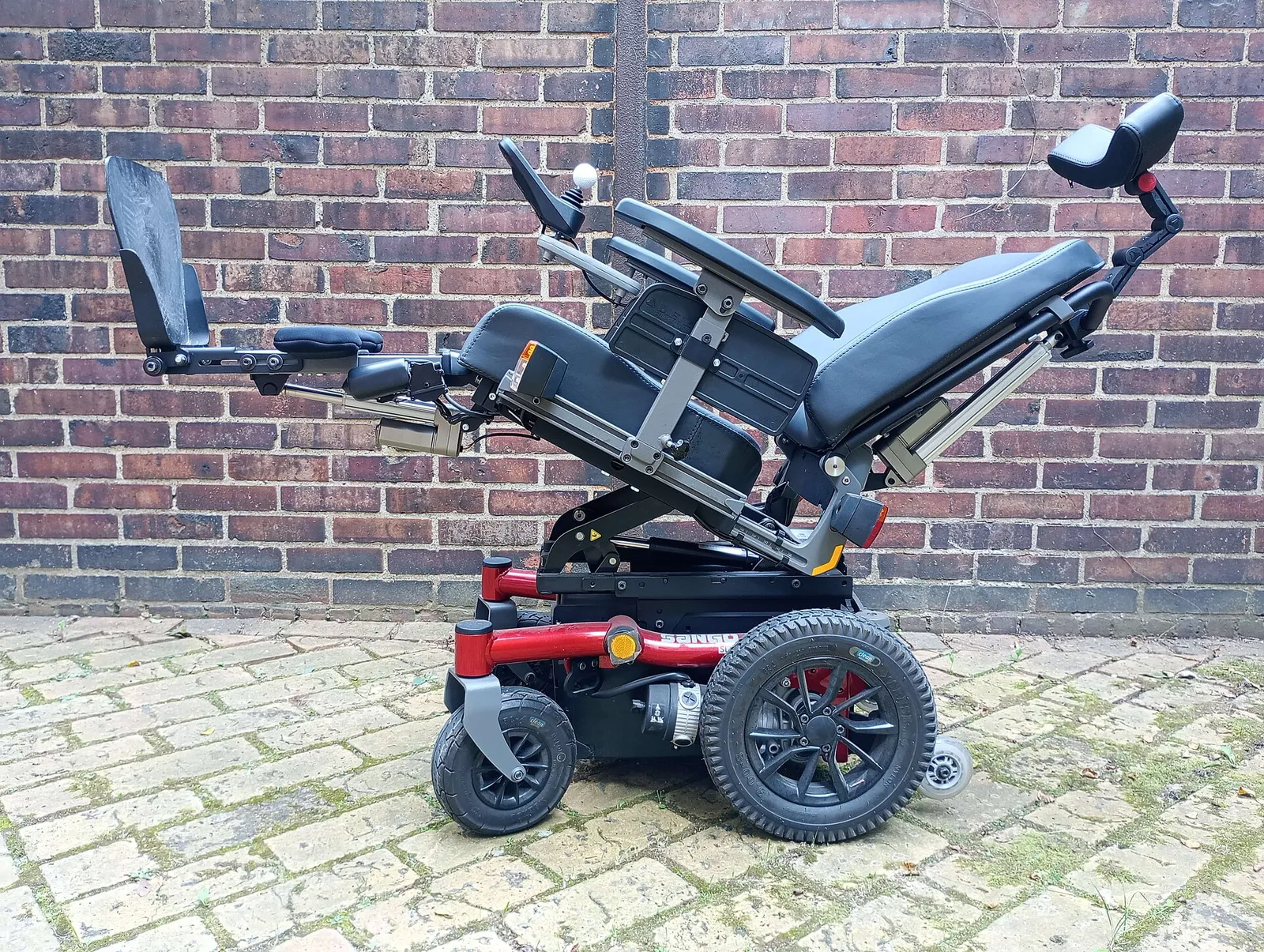
This guide covers what to check, using GOV.UK, Citizens Advice and XSTO's own warranty terms as of November 2026. It is general information. Before you buy, it is worth having an assessment so you know what you need.
Start with what you need
Our guide to choosing a power wheelchair explains why an assessment comes first. Seating, posture and controls matter as much as range or speed, and a used chair may have been set up for someone else. Know the widths of your doorways, the space you have to turn and how you will get the chair into a car before you look at adverts.
Official source: NHS: wheelchairs and mobility scooters (opens in a new tab)
Your rights depend on who sells it
If you buy from a business, Citizens Advice says it does not matter whether the item is new or second-hand: you still have rights if it is faulty, not fit for purpose or not as described. You do not have those rights for wear and tear, accidental damage, misuse or a fault you knew about before you bought it, so expect some wear on a used chair.
If you buy from a private individual, your rights are narrower. Citizens Advice's template letter for private sales explains that goods must match their description. Ask the seller to describe the chair's age, condition and any faults in writing, for example in messages, so you have a record.
Official sources: Citizens Advice: faulty goods (opens in a new tab)Citizens Advice: private sellers (opens in a new tab)
Warranties usually stay with the first owner
XSTO's published warranty policy says its warranty covers only the original purchaser and is not transferable to any later owner. The terms published by Bentech Medical, the UK distributor, also say its warranty applies only to the original purchaser and is non-transferable. So a nearly new XSTO chair bought privately is unlikely to come with any manufacturer warranty, even if it is within the warranty period.
Ask a used-equipment dealer what cover, if any, it gives on its own account, and get it in writing.
Official sources: XSTO warranty policy (opens in a new tab)UK distributor warranty (opens in a new tab)
Class 3 chairs and DVLA
GOV.UK says class 3 powered wheelchairs and scooters, and those not in a class, must be registered with DVLA. A used one should already be registered when you buy it. Check by asking the seller or using DVLA's vehicle enquiry service. If it is not registered, you can register it with form V55/MV. GOV.UK says you should get a new log book (V5C) within 6 weeks of the sale; if you do not, apply with form V62.
Our guide to class 2 and class 3 rules explains the difference and how to check a chair's class.
Official sources: GOV.UK: registration and insurance (opens in a new tab)GOV.UK: the classes (opens in a new tab)
What to check before you pay
Try the chair yourself, ideally on the kind of ground you will use it on. For a self-balancing or stair-climbing chair, ask the seller to show you every mode working.
- The model and serial number, and the original receipt if there is one
- How old the batteries are and how far the chair goes on a charge now
- That the charger supplied with the chair is included – the manual says which charger to use
- Any warning lights, unusual noises or damaged battery casing
- Tyres, wheels, brakes, lights and the joystick
- The user manual, and any service records
- For class 3 chairs, the V5C log book
- If you plan to fly, the battery's size in watt-hours – our travel guide explains the airline limits
Insurance and repairs
GOV.UK says insurance is not a legal requirement for class 2 or class 3 chairs but is recommended. Arrange cover from the day you collect the chair. Our insurance, warranty and maintenance guide covers what to look for, and how VAT-free repairs work for eligible disabled people.
Official source: GOV.UK: insurance rules (opens in a new tab)
Questions
Does the XSTO warranty transfer if I buy a used chair?
No. XSTO's warranty policy and the UK distributor's terms both say the warranty applies only to the original purchaser and is not transferable.
Do I have rights if a used chair from a private seller breaks?
Fewer than from a business. Citizens Advice explains that goods from a private seller must match their description, so keep the advert and messages.
Do I need to register a used class 3 chair?
It should already be registered with DVLA. GOV.UK says you should receive a new V5C log book within 6 weeks of the sale; if not, apply using form V62.
Is a second-hand battery safe?
Look for damage, swelling or leaks and use the correct charger. If you have any doubt, ask the supplier or a specialist to check it before you use it.
Sources we checked
Information checked November 2026. Links open the original page in a new tab.
- Citizens Advice: Return faulty goods
- Citizens Advice: Complain about misdescribed goods from a private seller
- XSTO warranty policy
- XSTO UK distributor (Bentech Medical): warranty
- GOV.UK: Vehicle tax, registration and insurance
- GOV.UK: Classes of mobility scooter and powered wheelchair
- NHS: Walking aids, wheelchairs and mobility scooters
Related reading
- Buying a powerchair or accessories in the sales: your rights in plain EnglishBlack Friday and the January sales can be a good time to buy kit, but it pays to know the rules first: the…
- Class 2 and class 3 powered wheelchairs: the UK rulesUK class 2 and class 3 rules for mobility scooters and powered wheelchairs: speed limits, pavements and…
- Insurance, warranty and maintenance for powered wheelchairsDo you need insurance for a powered wheelchair? Plus warranty terms for XSTO chairs, your consumer rights…
- Buses, coaches and taxis with a powered wheelchair: your rightsWhat the law says about wheelchair spaces on buses and coaches, the standard wheelchair size, when a driver…
- Shops, cafés and other services: your rights as a powerchair userWhat the Equality Act 2010 means when a shop, café, venue or other service is hard to use in a powered…