Blog · 22 November 2026
Battery and charger safety this winter: new chargers, damaged batteries and disposal
A powerchair battery, used and charged the right way, is an everyday part of life. In winter, though, chairs spend more time indoors, chargers come out more often, and Christmas can bring new chargers, spare batteries and accessories into the house.
Our guide to adapting your home already covers where to store and charge a chair. This post adds the points fire services and GOV.UK make about chargers, damaged batteries and disposal, as of 22 November 2026.
Use the charger made for your chair
Lancashire Fire and Rescue Service is direct about this: "Only charge your batteries using the charger supplied by the manufacturer." If a charger is lost or broken, get a replacement that the manufacturer or your seller confirms is right for your model – not just one with a plug that fits.
GOV.UK guidance for building owners makes a related point about e-bikes and e-scooters: established brands, bought as a complete system and used according to the instructions, are understood to present a low fire risk. The same thinking – matched parts, used as intended – is a sensible rule for any battery-powered chair.
Official source: Lancashire Fire and Rescue Service: mobility and fire safety (opens in a new tab)
When and where to charge
- Not while you are asleep or out. Lancashire Fire and Rescue Service says: "Don't charge batteries when you're asleep or out of the house." Devon and Somerset Fire and Rescue Service advises charging only during the day.
- Not on your escape route. "Never charge batteries on your escape route," says Lancashire Fire and Rescue Service – so not in the hallway by the front door.
- In a well-ventilated place, as Devon and Somerset Fire and Rescue Service recommends, away from things that could catch fire.
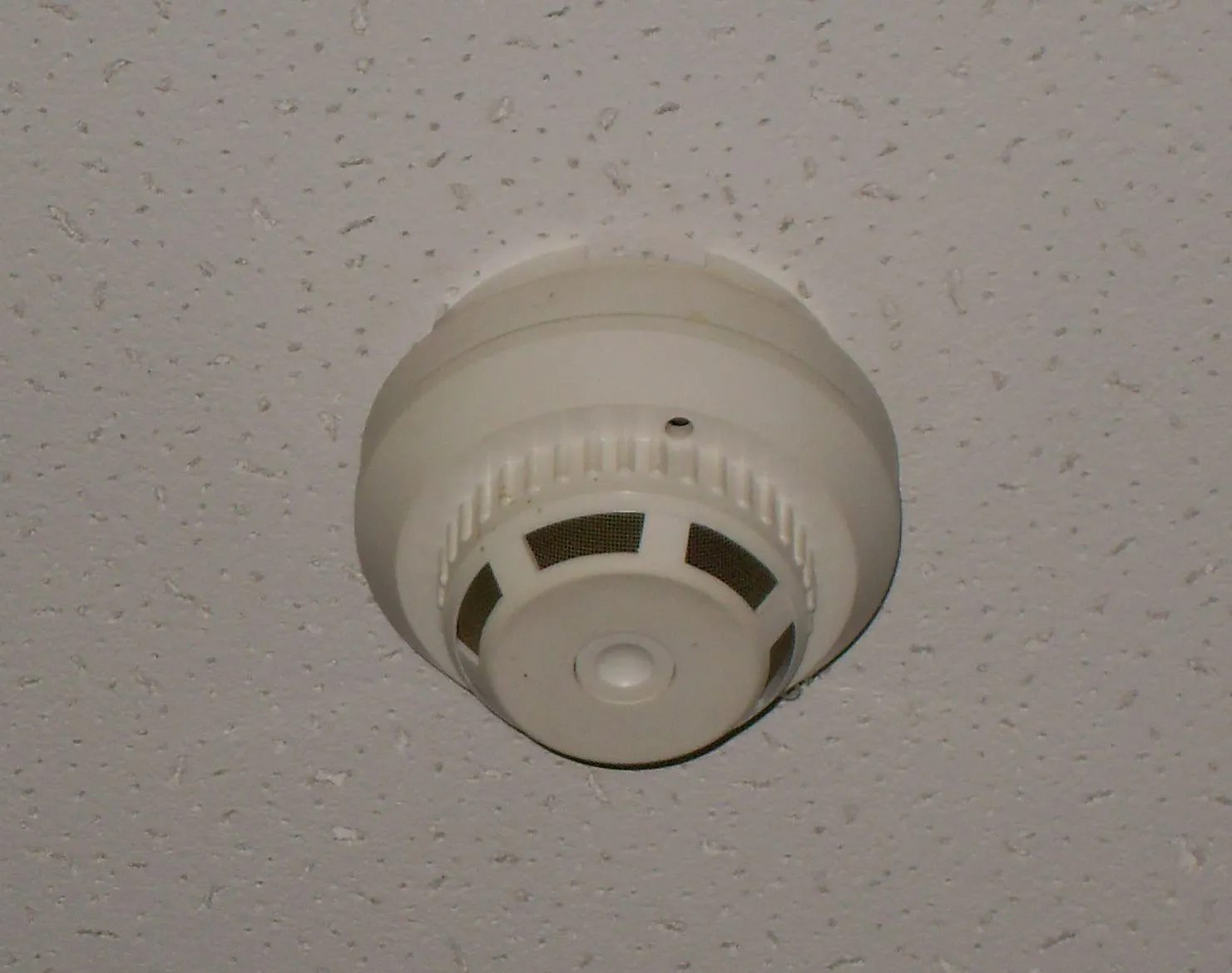
- Working smoke alarms – Lancashire Fire and Rescue Service says one on each level of your home.
Signs a battery is damaged
GOV.UK's fire-risk guidance says battery packs that are visibly damaged, bulging, smelly or leaking "pose an extremely high fire risk". If you notice any of these – or the battery gets very hot, or the chair has had a knock or a fall – stop using and charging it and contact your seller or the manufacturer.
Winter can be hard on kit: knocks getting in and out of the car, and wet weather. Our insurance and maintenance guide covers everyday care and what the XSTO warranty says.
Official source: GOV.UK: battery fire risk guidance (opens in a new tab)
Getting rid of an old battery or charger
If a new battery or charger arrives for Christmas, don't put the old one in the bin. Lancashire Fire and Rescue Service warns that old batteries and chargers in household waste can cause fires in bins or at waste sites, and advises asking your local council how to dispose of them in your area. Your seller may also be able to take an old battery back.
Plan your way out
Devon and Somerset Fire and Rescue Service suggests thinking about every possible escape route, practising it so you feel confident day or night, keeping exits clear with your mobility aids in mind, keeping a charged phone in the bedroom and keys near the door. Lancashire Fire and Rescue Service, for example, lists a home fire safety check – ask your local fire and rescue service what it offers.
Official source: Devon and Somerset Fire and Rescue Service: fire safety for people with mobility difficulties (opens in a new tab)
Spare and travel batteries
A spare battery can be useful for longer winter days out, and some XSTO models have a smaller travel battery option for flying – our travelling guide explains the airline limits in watt-hours. Store spares as the manual describes and charge them with the same care as the battery in the chair.
If you are given a battery or charger as a present, check that the manufacturer or seller confirms it is right for your chair before you use it, and keep the receipt in case it needs to go back – our post on buying in the sales explains your rights.
Self-balancing powerchair
XSTO M4
A compact, self-levelling powerchair that folds down for the car boot.
- Maximum load
- 115 kg user plus luggage
- Weight
- 51.5 kg without battery
- Quoted range
- 15 km
- Top speed
- 6 km/h about 3.7 mph
Good for:
- At home
- Travel
- Tight spaces
- Outdoors
Self-balancing powerchair
XSTO M4 Pro
The self-balancing M4 idea, with more range, more support and powered seat tilt.
- Maximum load
- 150 kg user plus luggage
- Weight
- 60.1 kg without battery
- Quoted range
- 26 km
- Top speed
- 6 km/h about 3.7 mph
Good for:
- At home
- Travel
- Outdoors
- Tight spaces
Lightweight folding powerchair
XSTO EzGo2
An ultra-light carbon-fibre power wheelchair for indoor use and easy lifting.
- Maximum load
- 136 kg user plus luggage
- Weight
- 11.5 kg without its 2.2 kg battery
- Quoted range
- 15 km
- Top speed
- 4.5 km/h about 2.8 mph
Good for:
- At home
- Travel
- Tight spaces
No UK seller listing found (September 2026)
Sources we checked
Checked 22 November 2026. Links open the original page in a new tab.
Related reading
- Help with heating costs this winter: Cold Weather Payments and the Warm Home DiscountKeeping warm and keeping a powerchair charged both cost money. What GOV.UK says about Cold Weather Payments…
- Power cuts this winter: the Priority Services Register and a simple planIf you rely on a powerchair, a winter power cut can leave you without a way to charge it. Here is who can…
- Adapting your home for a powered wheelchair: grants, storage and chargingHow Disabled Facilities Grants can pay for ramps, wider doors and other changes at home, who can apply, and…
- Insurance, warranty and maintenance for powered wheelchairsDo you need insurance for a powered wheelchair? Plus warranty terms for XSTO chairs, your consumer rights…