Blog · 23 November 2026
Snow, ice and broken pavements: gritting, clearing paths and reporting problems
A cracked paving slab or a car parked across a dropped kerb is a nuisance on foot. In a powered wheelchair it can mean a long detour or no way through at all, and snow and ice make everything harder.
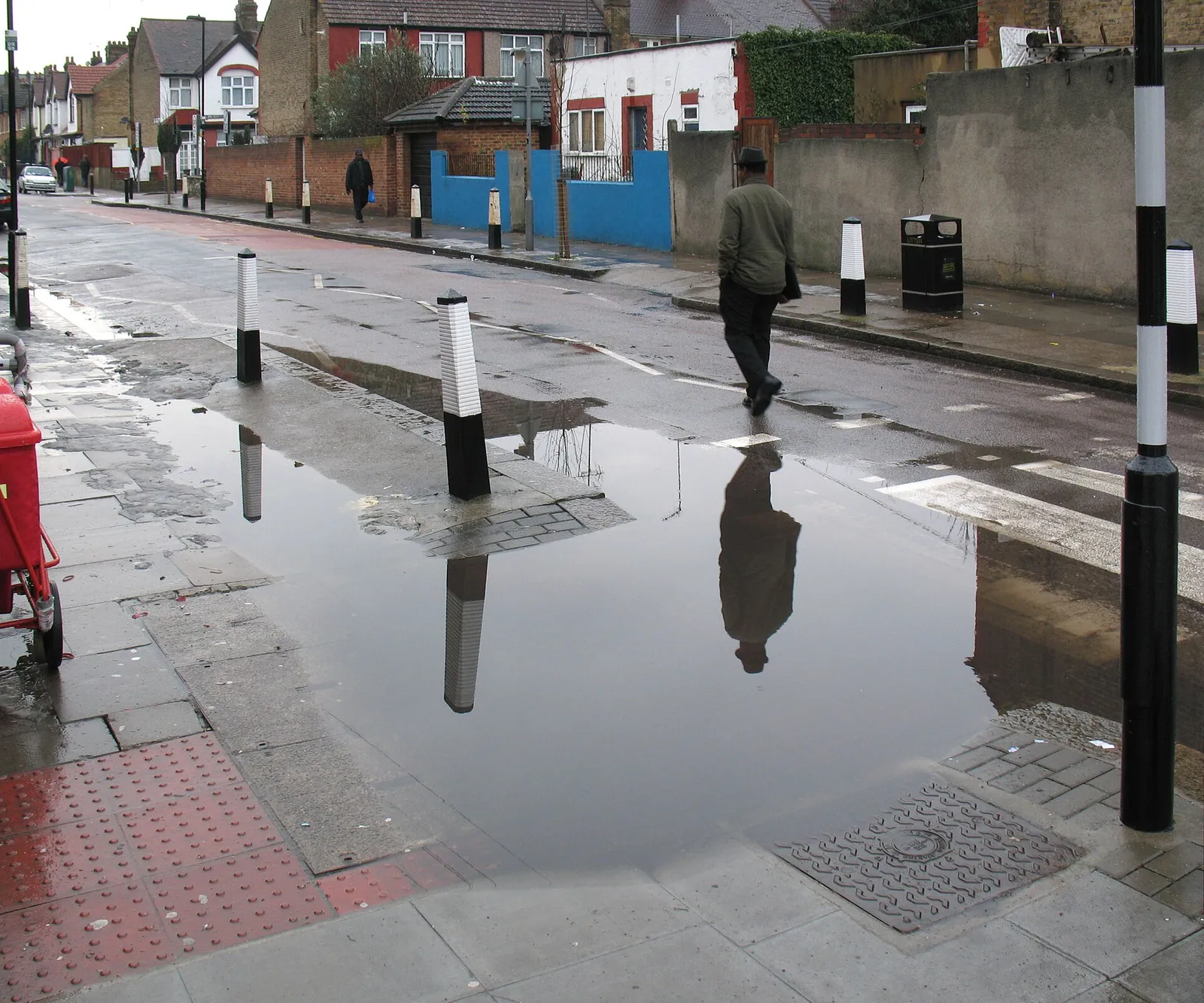
This post sums up what GOV.UK and the Highway Code say about clearing snow, council gritting, reporting pavement problems and keeping dropped kerbs clear, as checked on 23 November 2026. It is general information, not advice.
Clearing snow and ice outside your home
GOV.UK says you can clear snow and ice from pavements yourself, and that if you clear a path carefully you are unlikely to be sued or held responsible if someone is hurt on it.
Its tips are to clear snow early in the day while it is fresh and loose, not to use water (it can refreeze as black ice), and to use salt if you have it. Don't take salt from public salting bins, which councils use for roads. If you have no salt, GOV.UK says ash or sand can give grip. Take extra care on steps and slopes, including the ramp or path to your front door.
Official source: GOV.UK: clear snow from a road, path or cycleway (opens in a new tab)
Council gritting
GOV.UK says councils grit certain roads and pavements in icy or snowy weather. They don't grit everything, so check your council's website for its gritting routes, and plan journeys along gritted routes where you can. Our post on dark evenings and icy pavements has more on kerbs, leaves and ice.
Reporting broken paving and potholes
GOV.UK says councils are responsible for most pavements, including replacing broken or missing paving slabs. In England and Wales you report a pavement problem to your local council: GOV.UK's reporting page asks for your postcode and takes you to the right council.
Potholes are reported the same way. For motorways and the A roads it manages in England, report to National Highways instead. Scotland and Northern Ireland have their own reporting routes (mygov.scot and nidirect).
- give the exact location, such as the nearest house number or a landmark
- say how it affects you, for example that you can't get a wheelchair past it
- add a photo if the council's form allows it
- keep any reference number you are given
Official sources: GOV.UK: report a problem with a pavement (opens in a new tab)GOV.UK: report a pothole (opens in a new tab)
If you are hurt or your chair is damaged
GOV.UK says that if you were hurt because of a dangerous road or footpath, you may be able to claim compensation from your local council (England and Wales). Its page takes you to your council's claims information. Take photos of the defect and note the date, time and place as soon as you can. If your chair is damaged, our guide to insurance and maintenance explains what cover to check.
Official source: GOV.UK: claim compensation for an injury caused by a road or pavement (opens in a new tab)
Cars blocking dropped kerbs and pavements
Rule 243 of the Highway Code says drivers should not stop or park where the kerb has been lowered to help wheelchair users and powered mobility vehicles. Rule 244 says drivers must not park partly or wholly on the pavement in London or Scotland, and should not do so elsewhere unless signs allow it. Rule 242 says drivers must not leave a vehicle where it causes unnecessary obstruction of the road.
If one spot is regularly blocked, ask your council who deals with parking problems in your area and report it to them.
Official source: Highway Code: waiting and parking (rules 238 to 252) (opens in a new tab)
Your own rules on the pavement
When you have to go round an obstruction, remember the rules for powered wheelchairs. GOV.UK says that on pavements class 2 and class 3 chairs are limited to 4mph, you must give way to pedestrians, and you shouldn't leave your chair where it blocks the pavement for others, including other wheelchair users. Our guide to class 2 and class 3 rules explains when you can use the road.
- Class 2 and class 3 powered wheelchairs: the UK rulesUK class 2 and class 3 rules for mobility scooters and powered wheelchairs: speed limits, pavements and…
- How to choose a power wheelchairA practical, plain-English guide to choosing a powered wheelchair in the UK: assessments, where you will use…
Official source: Highway Code rules 36 to 46: powered wheelchairs and mobility scooters (opens in a new tab)
Sources we checked
Checked 23 November 2026. Links open the original page in a new tab.
Related reading
- Dark evenings and icy pavements: lights, visibility and the Highway CodeIt is dark by teatime and frosty by morning. What the Highway Code says about lights and being seen in a…
- Class 2 and class 3 powered wheelchairs: the UK rulesUK class 2 and class 3 rules for mobility scooters and powered wheelchairs: speed limits, pavements and…
- Insurance, warranty and maintenance for powered wheelchairsDo you need insurance for a powered wheelchair? Plus warranty terms for XSTO chairs, your consumer rights…
- Help with heating costs this winter: Cold Weather Payments and the Warm Home DiscountKeeping warm and keeping a powerchair charged both cost money. What GOV.UK says about Cold Weather Payments…